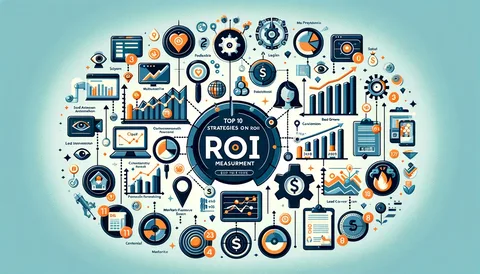
Are you spending money on marketing but still unsure what you get back? Many businesses face this confusion because numbers look complex and results feel unclear. Measure Marketing ROI to turn your marketing efforts into clear data so you know what works and what needs improvement.
Instead of guessing, you can track leads, calls, and sales from each campaign. With the right approach and support from City Insider Inc, you can connect every dollar spent to real business results and make smarter decisions.
What Is Marketing ROI?
Marketing ROI shows how much return you earn compared to what you spend on marketing. It helps you understand if your campaigns bring profit or just consume your budget.
For example, if you spend $500 and earn $1500, your return is positive. This simple calculation helps you decide where to invest more.
Measure Marketing ROI: Why It Matters
Measure Marketing ROI to avoid wasting budget on campaigns that do not perform. When you track ROI, you clearly see which channels bring results and which ones need changes.
It also helps you plan growth. When you know what works, you can scale campaigns with confidence and reduce risk.
Simple Formula to Calculate ROI
To Measure Marketing ROI, use this basic formula:
ROI = (Revenue – Cost) / Cost
This gives you a percentage that shows your profit compared to your spending. A higher percentage means better performance.
Key Metrics You Must Track
To Measure Marketing ROI correctly, you need to track the right data. Focus on these core metrics:
Cost Per Lead (CPL)
CPL shows how much you spend to generate one lead. Lower cost means better efficiency.
Conversion Rate
This shows how many visitors turn into customers. A higher rate means your strategy is working well.
Customer Acquisition Cost (CAC)
CAC shows the total cost to acquire one customer. It includes ads, tools, and team costs.
Customer Lifetime Value (CLV)
CLV shows how much revenue a customer brings over time. Higher CLV improves your overall ROI.
Tools That Help You Measure ROI
Tracking becomes easier when you use the right tools.
Google Analytics
Helps you track website traffic, user behavior, and conversions.
CRM Systems
Tools like HubSpot or Salesforce help you track leads and customer data.
Call Tracking Software
Tracks phone calls coming from ads and campaigns so you do not miss offline leads.
UTM Tracking Links
UTM links help you identify which campaigns bring traffic, whether from ads, emails, or social media.
Step-by-Step Process to Measure ROI
Follow this simple process to Measure Marketing ROI effectively:
Step 1: Set Clear Goals
Define what you want to achieve, such as leads, calls, or sales.
Step 2: Track All Costs
Include ad spend, tools, and team expenses to get accurate data.
Step 3: Track Revenue
Measure how much revenue each campaign generates.
Step 4: Apply ROI Formula
Use the formula to calculate your results clearly.
Step 5: Optimize Campaigns
Analyze performance and improve strategies based on data.
Common Mistakes to Avoid
Many businesses struggle to Measure Marketing ROI because of these issues:
- No proper tracking setup
- Missing conversion data
- Ignoring phone or offline leads
- No clear campaign goals
Fixing these problems can quickly improve your results.
Tips to Improve Your Marketing ROI
Once you Measure Marketing ROI, use these tips to increase returns:
- Focus on channels that bring the most leads
- Improve landing page experience
- Use retargeting to bring back visitors
- Test different ad creatives and messages
- Optimize for conversions instead of traffic
These actions help you grow without increasing your budget.
Role of ROI in Business Growth
Measure Marketing ROI to grow your business with better control. When you know which campaigns perform well, you can invest more in those areas.
This reduces waste and helps you achieve steady growth with less risk.
Why City Insider Inc
City Insider Inc helps businesses track and improve marketing performance using real data. Their approach focuses on results, not assumptions.
With expert support, you can Measure Marketing ROI accurately and build strategies that bring long-term growth.

Conclusion
If you are investing in marketing without clear results, it is time to change your approach. Measure Marketing ROI to understand your performance, improve campaigns, and increase profit. With the right tools and guidance from City Insider Inc, you can turn your marketing into a strong growth system.
Start tracking your ROI today and make every marketing decision count.